












Whilst there are a lot of ways to use tobacco, Cuban cigars, Dominicans, Honduran stogies, Costa Ricans and the rest still have a remarkable link to their rich and vibrant history, with traditional handmade quality always a top priority in comparison to the heavily mass-produced cigarette industry.
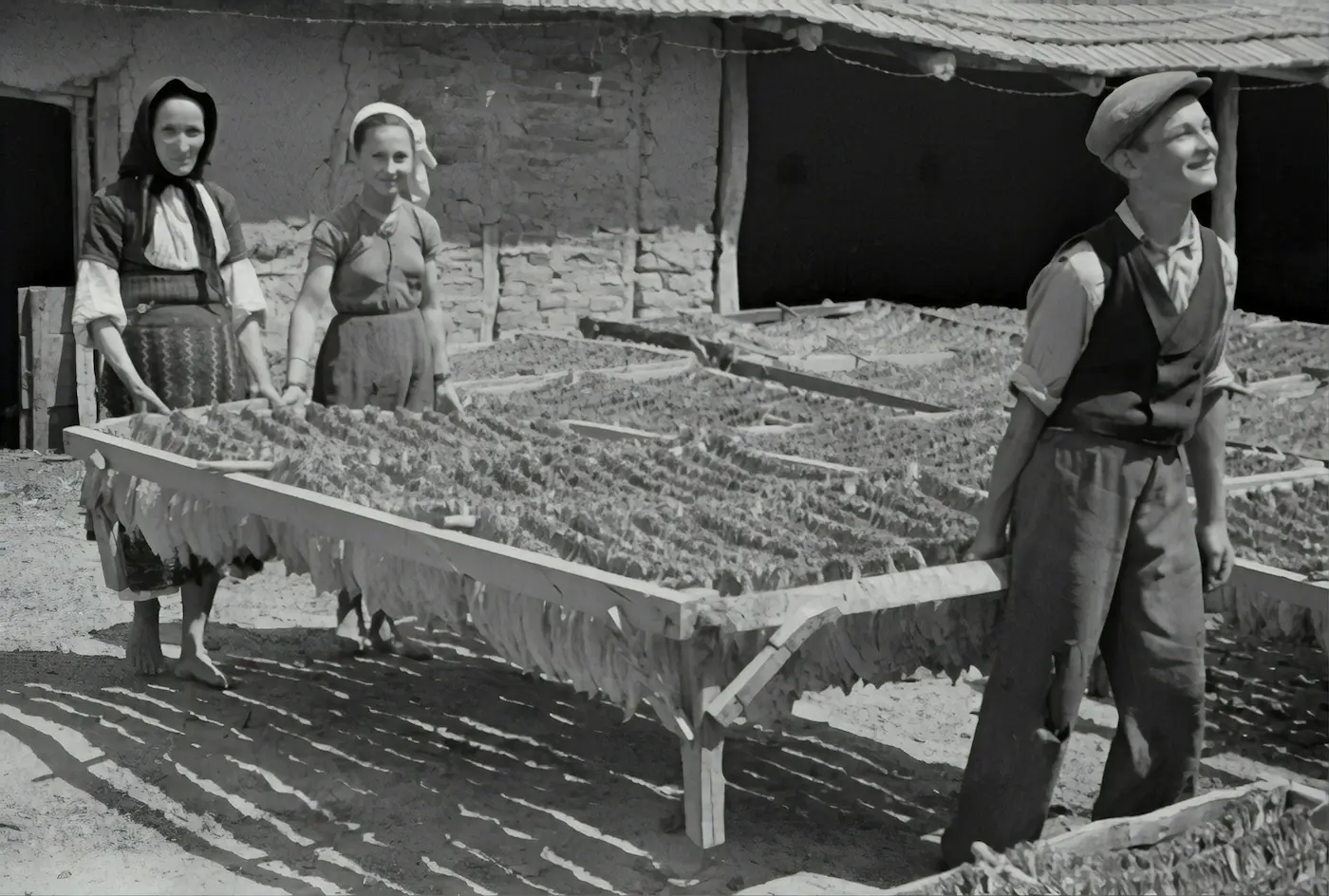
Many of the techniques and tools, from the chaveta knife to historic heat and shade-based curing techniques of tobacco, have largely been cultivated in the same way and often in the same fields, using techniques passed through families from generation to generation.
Given that the three main parts of a cigar are all made from different types of tobacco leaves grown and used in various ways, these traditions have a massive effect on a cigar’s character, and have made a link to the history of tobacco so important.
To understand why, as well as why certain cigar brands have the names they do, it is worth exploring the connection cigars have had to the history of smoking and the astonishing traditions that are kept alive to this day.
How Were Tobacco Leaves Used In Pre-Columbus America?
Exactly how and when humanity first smoked tobacco leaves is impossible to know for certain without a time machine, but an archaeological study in 2021 suggests that it has been used for at least 12,000 years by native cultures in the Americas.
By the time Leif Erikson first set foot on American soil and certainly by the time Christopher Columbus and other European voyagers made it to North America, millennia of traditions surrounding tobacco had emerged around tribes with ready access to it.
Tobacco’s Creation Myth
According to Iroquois mythological tradition, tobacco is often connected to their creation story, and specifically to Atahensic, the Sky Woman and mother goddess.
There are two versions of this particular myth with Atahansic as either the mother or grandmother; as with other foods closely associated with the indigenous people of America, tobacco was grown from her body (or the body of her daughter Tekawerahkwa) after she died giving birth to Hahgwehdiyu (Sapling) and Hahgwehdaetgah (Flint).
As with other creation stories, there are countless variations, but tobacco was said to have grown from her head or was a gift from a Creator, along with sunflowers, purple potatoes, corn, beans, squash and other foods closely connected to the region.
Aztec mythology goes even further, claiming that tobacco was the reincarnation of the goddess Cihuacoatl.
Spiritual Significance Of Tobacco
This creation story perhaps shapes its religious usage. Smoking has a long tradition, even in cultures which did not have tobacco, but it was often directly used in religious rituals as a means to transcend the bounds of the physical world.
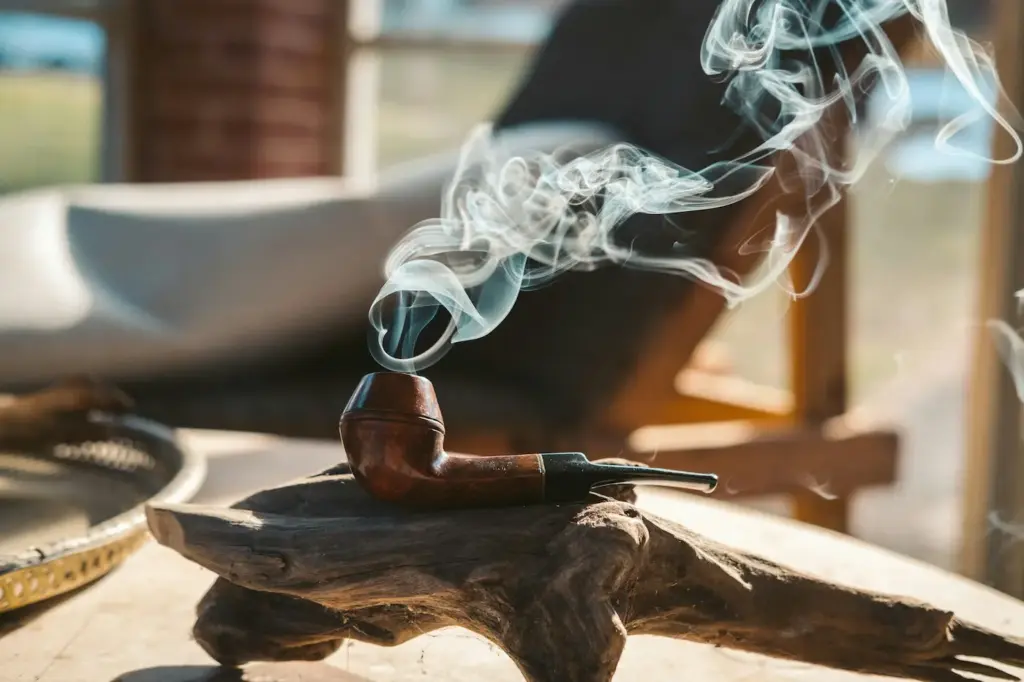
Whilst often associated with pipe tobacco, the Taino people of Cuba smoked what the Spanish historian Bartolome de las Casas described as “muskets”, but what are recognisably cigars.
Whilst the reliability of conquistador sources is inherently biased and potentially unreliable, this trance-like state could have a few potential causes:
- The tobacco used was much stronger or more inconsistent in strength due to less consistent production methods.
- The tobacco in the cigar was taken in more extreme amounts, maximising its strength.
- It was mixed, knowingly or unknowingly, with other drugs with psychoactive effects, such as ayahuasca or peyote. Exactly which substances and in which quantities is as yet unknown and is potentially unknowable.
With the connection between tobacco and many creation stories, smoking ceremonies often pay tribute to this creator, with the smoke a conduit to carry prayers, thoughts and hopes.
Amongst the Ojibwe people, a gift of tobacco is still customary when asking an elder a spiritual question.
Diplomacy
The spiritual connection intermingles with the social and political dimension of tobacco before and in the years following the discovery of America by the Europeans.
Smoking tobacco was often provided as a gift, one that was smoked together following meals and discussions. It was often smoked after an agreement or treaty was reached, and would be provided to guests at banquets, as well as a present to servants who made the feast happen.
Traditional Poultices
Tobacco leaves were used in traditional medicine, either as a painkiller, as a poultice to promote the healing of wounds or mixed with other concoctions to help treat colds.
Currency
Many indigenous groups in the eastern part of North America often carried tobacco, as its meaning and value meant that it became a valuable trade commodity and even a form of currency.
Eventually, it was even linked to the gold standard, with a solid conversion rate of tobacco and gold by the 19th century.
When Did Cigars Become Sophisticated?
The role of tobacco and cigars, specifically, has waxed and waned throughout the centuries. From being exclusively used by religious leaders and high-ranking members of indigenous groups, its use spread significantly to the point that almost everyone used it.
Cigars and pipes would eventually be eclipsed in popularity by cheaper, mass-produced cigarettes, which established and cemented the cigar’s reputation as a symbol of sophistication and even power.
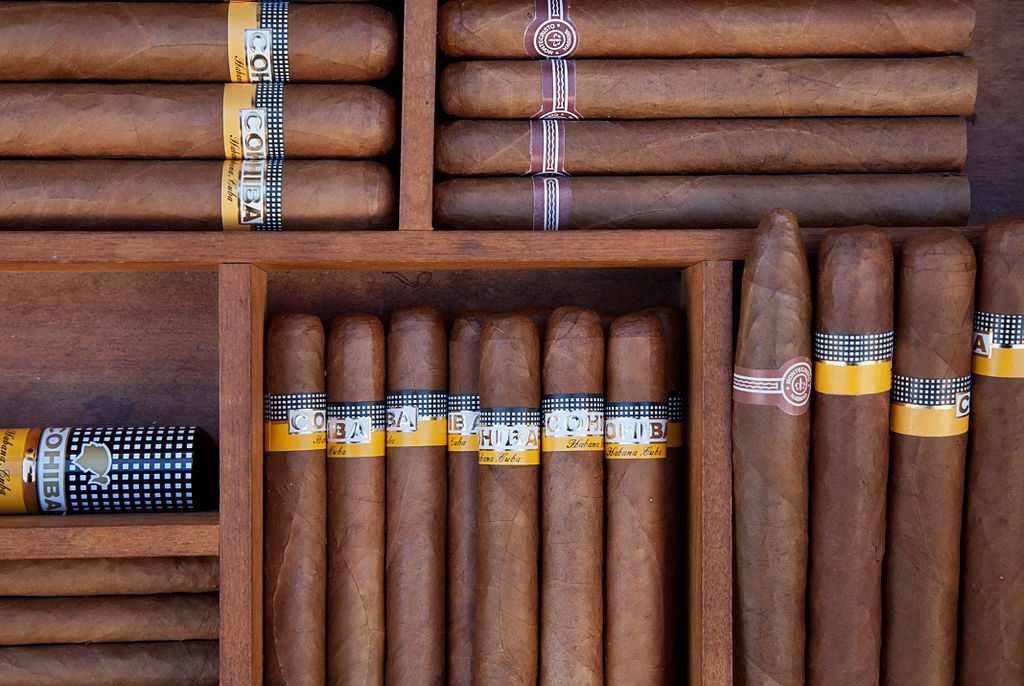
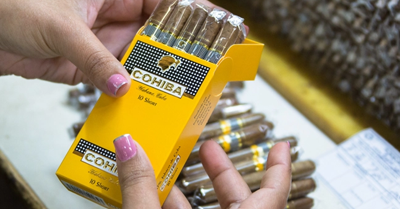
The legendary reputation of the Cuban cigar brand Cohiba was built around its connection to power, prestige and exclusivity; they were made for Fidel Castro in the 1960s but only sold in other countries beginning in the 1980s.
The Cigar Boom
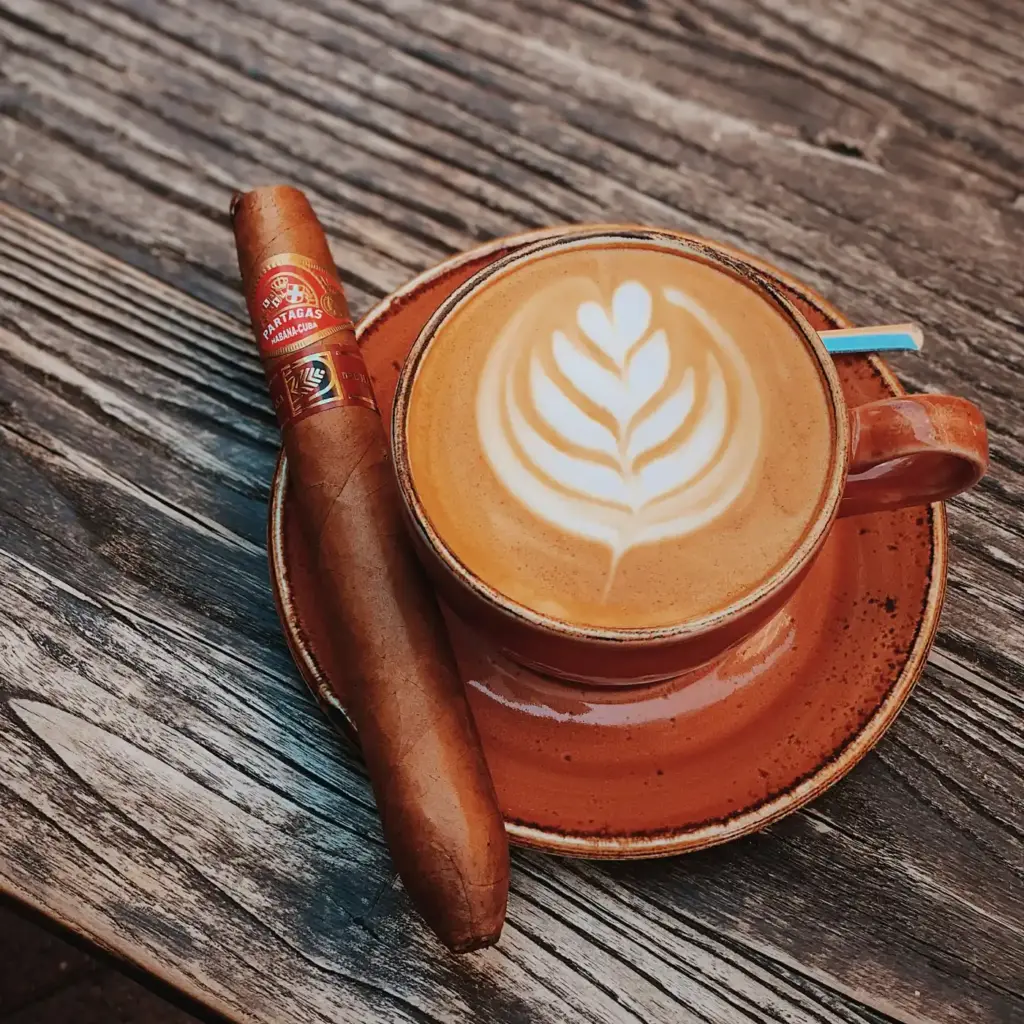
Almost a century after the mass production of cigarettes, cigars had a remarkable surge in popularity, used not only for their flavour profile alongside a coffee on a languid spring morning, but as a curated symbol of epicurean sophistication and success.
In 1992, the relative plateau of cigar sales reversed somewhat, aided by the rise of independent artisans, the magazine Cigar Aficionado and changes in smoking habits more broadly.
This particular boom was short-lived, largely crashing in 1997 due to poor production habits, but this eventually led to a gradual and far more sustainable growth in the decades following.
How Are Cigars Smoked Today?
In many respects, the ways in which cigars are used today can be traced back to these ancient roots.
Whilst the rituals surrounding cigars are more secular than spiritual, they very much exist; ask any cigar connoisseur about etiquette, and you will get all sorts of advice about how to smoke, when to smoke and why all of these rules are so fundamentally important.